The AlUla Grants, delivered by the British Council in partnership with the Royal Commission for AlUla (RCU), support cultural collaboration between the United Kingdom and Saudi Arabia. Through the programme, artists, researchers and cultural practitioners develop projects that contribute to professional exchange and knowledge sharing across the two cultural sectors.
One of the grants supported a training initiative led by academics from the School of Oriental and African Studies (SOAS), University of London. The programme, Curatorial Studio: From Theory to Practice in Museum Studies, was delivered in AlUla in collaboration with the Royal Commission for AlUla.
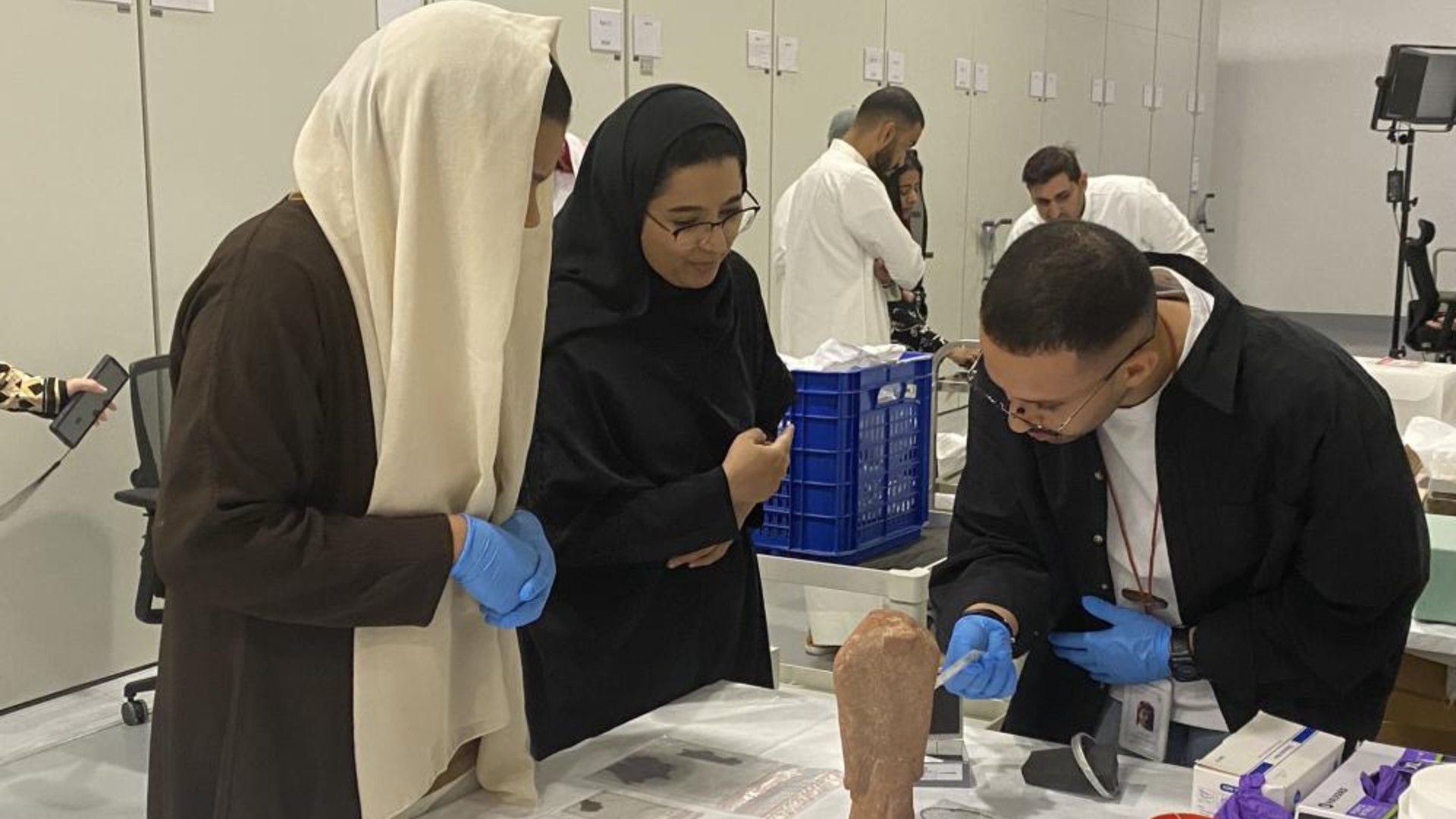
The bespoke programme equipped participants with a range of critical, theoretical and practical approaches to curating in museums and galleries. It introduced participants to the intellectual, practical and ethical questions involved in the interpretation and display of objects, while providing hands-on experience of exhibition development.
Curatorial Training in AlUla
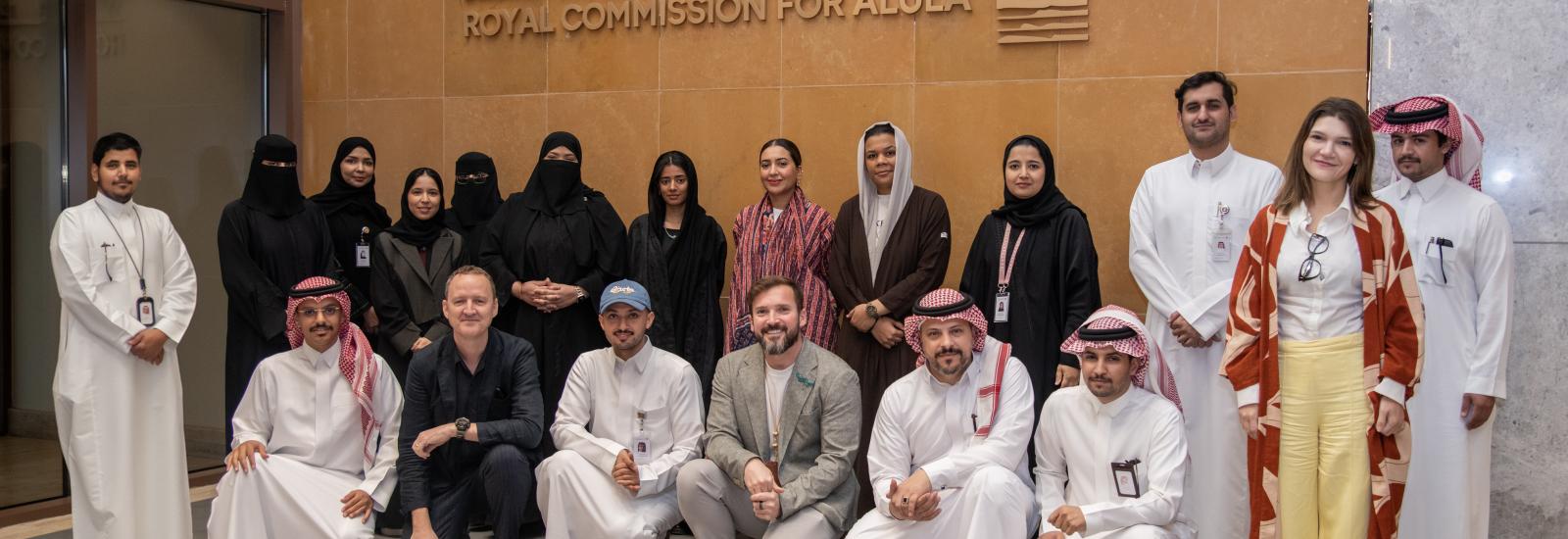
The course took place over ten days in AlUla and was delivered by SOAS academics together with RCU staff. Participants included RCU professionals working in collections management, archaeology, conservation and visitor engagement programmes, alongside members of the local community.
Teaching combined lectures, seminar discussions, curatorial workshops and field visits. Throughout the programme, participants worked towards curating a group exhibition using objects from the Royal Commission for AlUla’s collection.
The immersive structure of the training allowed participants to apply theoretical knowledge directly to curatorial practice. Academics and RCU staff monitored the learning process and supported participants throughout the development of the exhibition.
Two of the field visits were led by participants who are also Rawis, local heritage narrators who share oral histories and knowledge about the region. Their involvement introduced community perspectives into the programme and connected curatorial discussions with local knowledge systems and lived heritage in AlUla.