

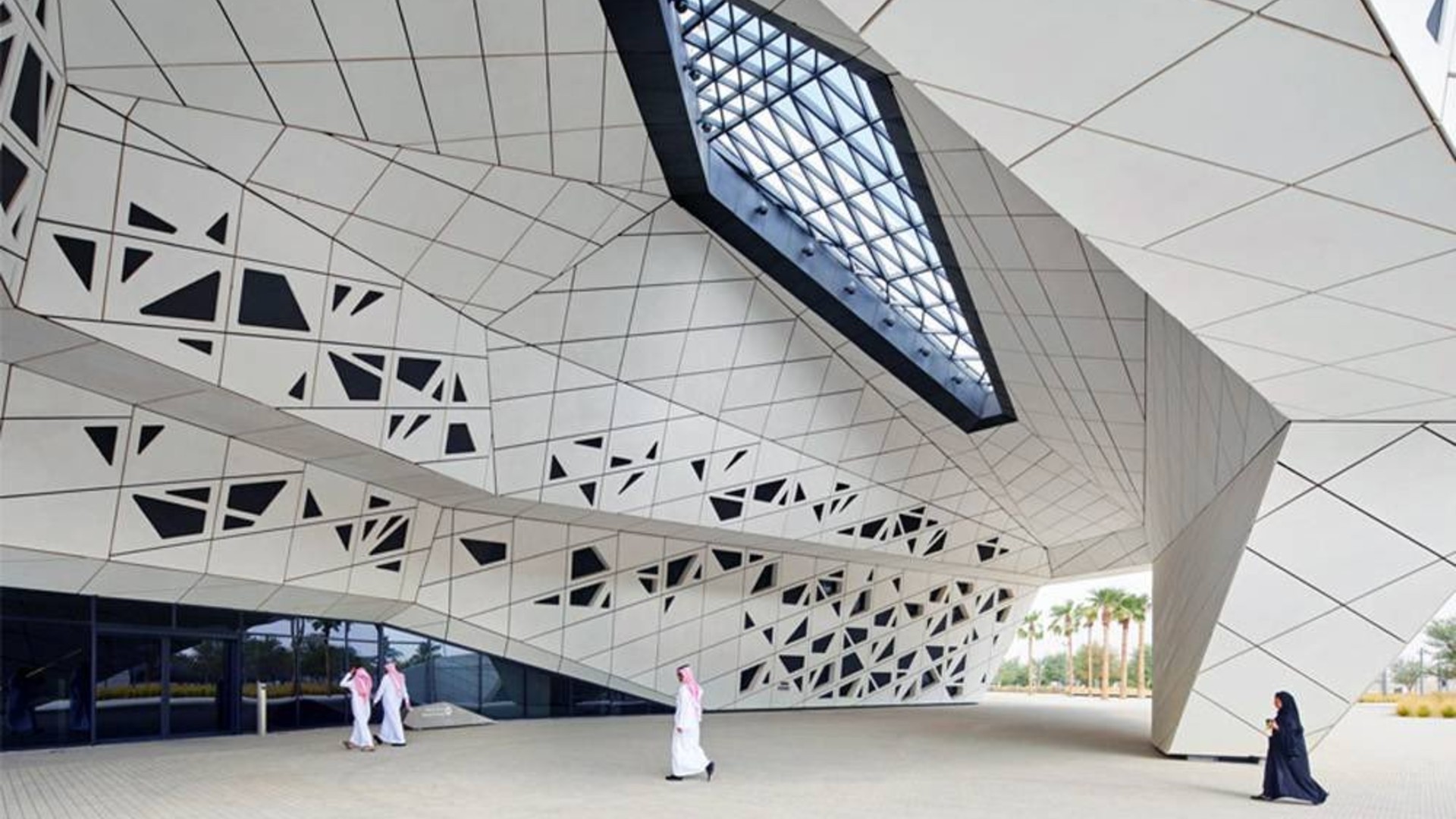
Saudi Arabia’s Black Gold Museum presents the story of oil through contemporary art, archival material and immersive interpretation, opening a new chapter in the Kingdom’s museum landscape.
The Black Gold Museum has opened in Riyadh at the King Abdullah Petroleum Studies and Research Center (KAPSARC), following its inauguration by the Minister of Energy, Prince Abdulaziz bin Salman, and the Minister of Culture, Prince Bader bin Abdullah bin Farhan. Official announcements describe the museum as a significant addition to Saudi Arabia’s cultural scene, developed through collaboration between the Museums Commission and KAPSARC.
What gives the museum particular significance is its position as a first. According to the official inauguration announcement, it is the first permanent museum dedicated to oil and art. Earlier official Museums Commission material also described it as the first of its kind globally to present the story of oil from a human-centred perspective. That gives the project a distinct place within the Kingdom’s cultural landscape: not simply as a museum about energy, but as a new institution that uses art to interpret one of the central forces that shaped modern life.
The museum is organised into four interactive sections — Encounter, Dreams, Doubts and Visions — tracing oil’s journey from discovery and industrialisation to ambition, reflection and the future. Official sources state that the permanent collection includes more than 350 artworks by more than 170 Saudi and international artists from over 30 countries, alongside large-scale installations, photography and historical documentation. Together, these elements present oil not only as a material resource, but as a subject that has shaped societies, economies and everyday experience.
From an arts and culture perspective, the museum’s contribution lies in the way it broadens the role of the museum itself. Rather than approaching oil through a purely technical or industrial frame, it presents it through an artistic, cultural and human lens. That shift matters. It creates space for reflection as well as information, and positions contemporary art as a means of understanding history, transformation and public memory. The Museums Commission has also framed the project in relation to wider conversations linking art, heritage, history and sustainable development.
The opening also reflects a broader institutional direction in Saudi Arabia’s museum sector. Official materials show that the museum forms part of the Quality of Life Program and sits within the Ministry of Culture’s Specialized Museums initiative. In that context, Black Gold Museum is more than a standalone opening. It signals continued investment in specialised cultural institutions that expand how knowledge, public engagement and artistic practice meet in the Kingdom.
For Saudi Arabia’s cultural scene, the museum contributes something distinctive: a permanent space where contemporary art can engage with a subject deeply connected to the country’s past, present and future. In doing so, it adds a new model to the Kingdom’s museum landscape — one that is research-informed, visually ambitious and open to critical engagement through culture.


